



 Which medications can compromise bone density and impact the success of dental implant procedures in patients?
Could your medications be silently sabotaging your dental health? Many people don’t realize that certain prescription drugs can weaken bone density over time, creating unexpected challenges when it comes to dental procedures like implant placement. At Bay Area Surgical Arts, we regularly work with patients whose medications have affected their bone health, and we understand how to navigate these complexities. Strong, healthy bones form the foundation for successful dental implants, but when medications interfere with bone density, the path to a restored smile requires careful planning and expertise. Understanding which drugs pose risks to your bone health can help you take proactive steps to protect both your overall wellness and your dental treatment outcomes.
Why Bone Health Matters for Dental Implants
Dental implants rely on a biological process called osseointegration, where the titanium implant post fuses with your jawbone to create a stable foundation for the replacement tooth. This process demands sufficient bone density and quality to support the implant through years of daily use. When your bones lack the necessary strength and structure, implants face a higher risk of failure. Most people do not realize that the “Alveolar” spongy bone that our teeth and implants sit in is constantly turning over. It is not static and this is the reason why some medications can affect the turnover of this bone. The same is true with all of our skeletal bones. Weak alveolar bones may not provide adequate support during the initial healing phase, leading to implant movement or failure. Some patients may confuse this as “rejection,” But this is not rejection; it is the implant failing to osseointegrate into the jawbone. We have many patients who come to our office for secondary implant re-consultations stating that the implant their general dentist placed was “rejected by their body”. It was not their body rejecting the implant, but poor patient selection and surgical technique.
Patients with compromised bone density often experience longer healing times as their bodies work harder to achieve proper fusion between bone and implant. With female patients over age 65, we sometimes have to wait longer for the implants to osseointegrate, especially if they have been diagnosed with osteopenia, a condition where the bone mineral density (BMD) is lower than normal but not yet severe enough to be classified as osteoporosis. In some cases, weak or inadequate bones require additional procedures like bone grafting, stem cells, PRP, or PRGF before implant placement can even begin, extending the treatment timeline and increasing complexity.
Six Drugs That Can Weaken Your Bones
Certain medications prescribed for common health conditions can have unintended effects on your skeletal system.
- Anticoagulants, commonly known as blood thinners, help prevent dangerous blood clots but may also interfere with the bone remodeling process that keeps your skeleton strong. These medications can disrupt the balance between bone formation and bone resorption, gradually reducing overall bone density over extended periods of use.
- Loop diuretics treat high blood pressure and fluid retention by increasing urine production, but this process can flush essential calcium from your body. Calcium serves as a primary building block for bone tissue, and chronic depletion of this mineral weakens your skeletal structure over time. Patients taking loop diuretics for years may notice declining bone density without realizing their medication plays a contributing role.
- Anticonvulsant drugs prescribed for seizure disorders and certain pain conditions can interfere with vitamin D metabolism in your body. Vitamin D enables calcium absorption from your diet, making it crucial for maintaining bone strength. When anticonvulsants disrupt this process, your bones may not receive adequate calcium even if your diet includes plenty of this mineral. The resulting deficiency gradually compromises bone density and increases fracture risk.
- SSRIs represent one of the most commonly prescribed classes of antidepressants, yet research has revealed their potential impact on bone health. These medications appear to affect bone density through complex interactions with serotonin receptors found in bone tissue. Long-term SSRI use has been associated with reduced bone mineral density, particularly in older adults who already face age-related bone loss.
- PPIs provide relief from acid reflux and related digestive issues by reducing stomach acid production. However, stomach acid plays an important role in calcium absorption from food. Extended PPI use can interfere with this process, limiting the amount of calcium available for bone maintenance and repair. Patients who rely on these medications for years may develop significant bone density reductions without realizing the connection.
- Corticosteroids treat inflammation from conditions like arthritis, asthma, and autoimmune disorders, but they’re among the most problematic medications for bone health. These powerful drugs can cause rapid bone loss, sometimes within just a few months of starting treatment. Corticosteroids interfere with bone formation while simultaneously increasing bone breakdown, creating a double impact that significantly weakens your skeleton.
How Weak Bones Affect Dental Implant Placement
Compromised bone density creates multiple challenges during dental implant procedures. The osseointegration process becomes less predictable when bone quality and quantity fall below optimal levels. Weaker bones may not generate the cellular response needed to properly fuse with the titanium implant surface, leaving the implant vulnerable to movement and eventual failure. Adequate bone quantity and quality (density) is required to achieve proper implant stability during placement. Insufficient bone structure and osteopenia can limit the initial stability of the implant at the time of placement. Failures will usually happen in the first 1 – 2 months after placement. This is the main reason why we monitor our patients closely during that time period. Most implant patients are seen at the following intervals at Bay Area Surgical Arts: 7 – 10 days, 30 days, 45 – 60 days after surgery.
Many patients with weak bones require bone grafting before they can receive dental implants. This additional procedure involves placing bone material and sometimes growth factors at the implant site to augment the existing bone structure and create a suitable foundation. Bone grafting extends the overall treatment timeline by at least 3 – 6 months or longer, as the grafted material must fully integrate with your natural bone before implant placement can proceed. Recovery periods lengthen when bones lack optimal density and strength. Your body needs more time to achieve stable osseointegration, and rushing the process increases the risk of implant failure. Patients with compromised bone health may need to wait longer between surgical stages and exercise extra caution during the healing phase to protect their investment in implant treatment. This has to be verified radiographically using X-rays and 3D CBCT’s. While bone grafting can improve the chances of successful implant treatment for many patients, it does not guarantee it, especially in the elderly and in female patients.
How Bay Area Surgical Arts Can Help
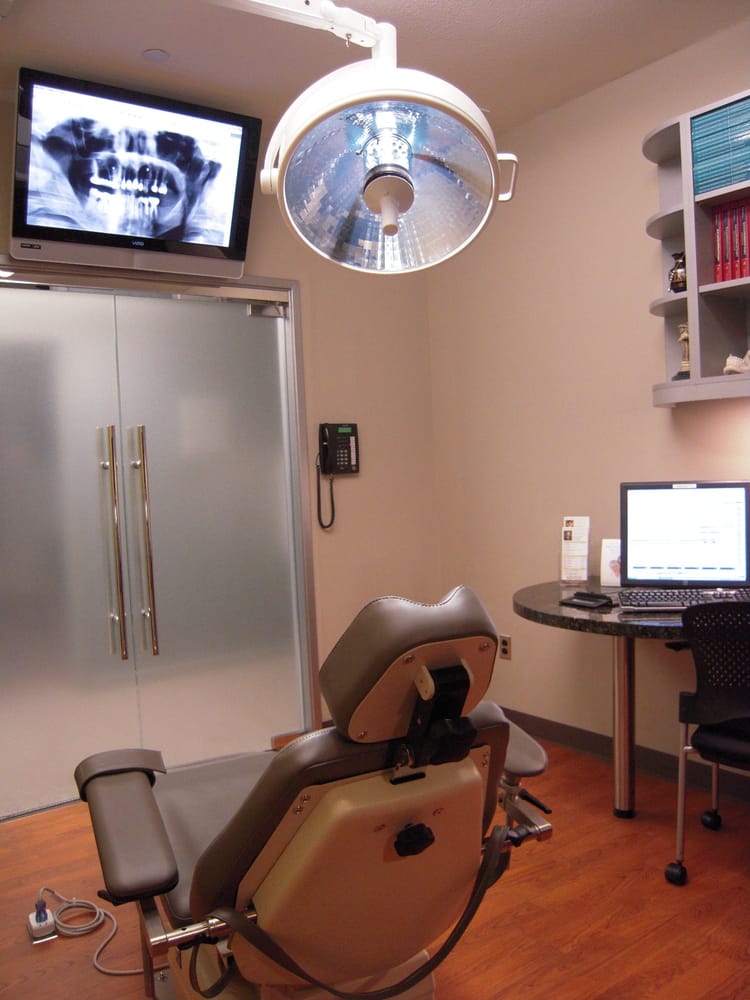
Advanced diagnostic technology allows our team to thoroughly assess your bone health before recommending treatment options. The use of 3D CBCT scans is a standard of care in our office. Teeth and implants alike are 3D objects, and we live in a 3-dimensional world; one cannot expect us to diagnose things using 2-dimensional X-rays. 3D imaging is necessary to evaluate bone density, volume, and structure. These detailed images reveal the exact condition of your jawbone and help us identify potential challenges before they affect your treatment outcome. Our comprehensive evaluations consider your complete medical history, including all medications that might impact bone health and healing.
When bone augmentation becomes necessary, Bay Area Surgical Arts offers sophisticated bone grafting techniques designed to prepare your jaw for successful implant placement. We can rebuild bone structure using various grafting materials and methods tailored to your specific needs. Up to a certain point, advanced procedures create the strong foundation your implants require, even when your natural bone density has been compromised by medication use or other factors.
Our practice incorporates cutting-edge technology like YOMI robotic assistance to enhance surgical precision during implant placement. This is backed by science and is the main reason why we do not freehand in our offices. This sophisticated system helps ensure optimal implant positioning and angulation, which becomes particularly important when working with compromised bone. The enhanced accuracy provided by robotic assistance can improve outcomes for patients whose bone quality presents additional challenges.
Steps to Protect Your Bone Health
Maintaining strong bones requires a collaborative approach between you, your medical doctor, and your oral surgeon. If you take any medications known to affect bone density, discuss the risks and potential alternatives with your prescribing physician. Some patients can switch to different medications with less impact on bone health, while others may need to continue their current prescriptions but take additional protective measures.
Your diet plays a crucial role in supporting bone strength throughout your life. Focus on consuming adequate calcium through dairy products, leafy greens, and fortified foods, or consider supplements if dietary sources prove insufficient. Vitamin D enables your body to absorb calcium effectively, so ensure you get enough through sunlight exposure, fatty fish, or supplements as recommended by your doctor. Weight-bearing exercise also stimulates bone formation and helps maintain density as you age.
Protecting Your Smile Despite Medication Challenges
Weak bones don’t have to prevent you from enjoying the life-changing benefits of dental implants. With proper planning, advanced techniques, and expert care, patients taking bone-weakening medications can still achieve successful implant outcomes. The key lies in working with an experienced, board-certified oral surgeon who understands how to navigate the additional challenges these medications create and who has access to the technology and techniques needed to overcome them.
Contact Bay Area Surgical Arts today to schedule your consultation and explore your options for successful dental implants. Our team will evaluate your bone health, review your medications, and develop a personalized treatment plan designed to give you the best possible outcome. Don’t let concerns about bone density keep you from pursuing the smile you deserve.
Contact Bay Area Surgical Arts:
408-253-6084
